
What is eMTB? Why You Should Have One
Table of Contents
As electric bikes continue to gain popularity, eMTBs have emerged as a practical option for riders who want to tackle longer, steeper, and more demanding trails. An eMTB, or electric mountain bike, combines a trail-ready frame with pedal-assist technology, making climbs easier while preserving the active riding experience.
Rather than taking over the ride, the motor only provides assistance when the rider pedals. This allows riders to manage their effort more efficiently, extend their riding range, and spend more time exploring different trails and terrain.
This article explains what an eMTB is, introduces its key features, and compares it with a conventional mountain bike. It also explores why more riders are choosing eMTBs, who may benefit from them, and what factors to consider when selecting the right model.

What is eMTB?
An eMTB, or electric mountain bike, is designed for off-road riding with an integrated motor, rechargeable battery, sensors, and handlebar controls. Most purpose-built eMTBs use pedal assistance, meaning the motor provides support only when the rider pedals. However, this assistance does not take control of the bike. The rider remains responsible for steering, braking, balance, line choice, and speed throughout the ride.
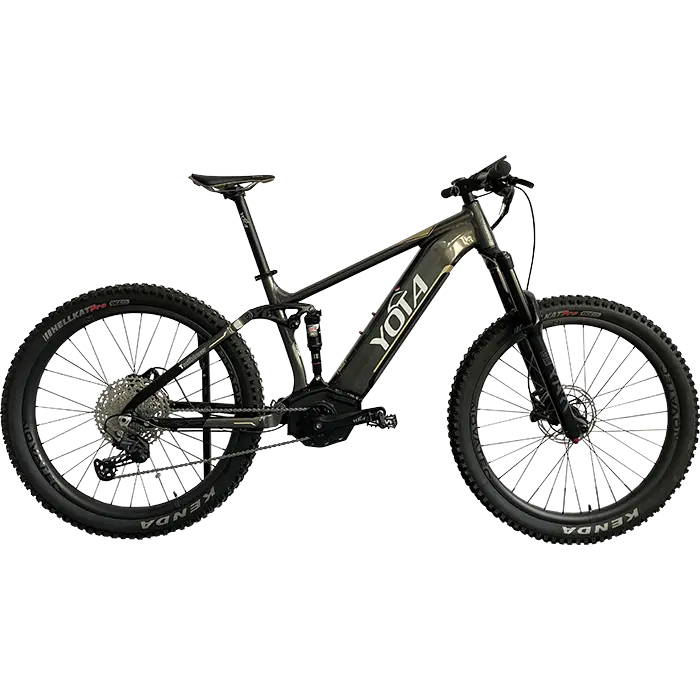
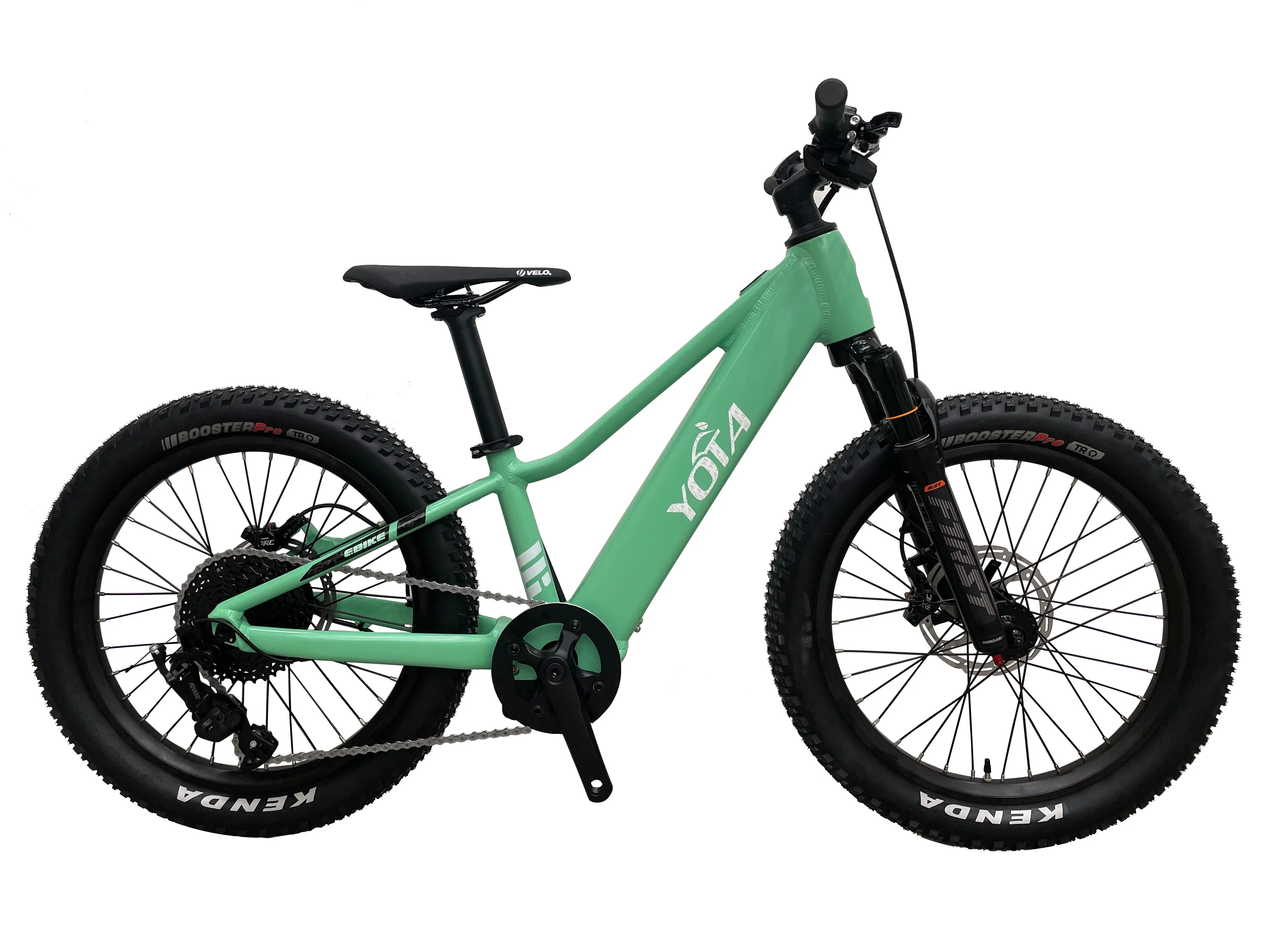
Like a conventional mountain bike, an eMTB typically includes wide-treaded tires, strong disc brakes, trail-oriented gearing, and either front or full suspension. The electrical system adds weight, but it also makes steep climbs and longer routes more manageable. Mid-drive systems are commonly positioned near the bottom bracket, supporting more balanced weight distribution and a lower center of gravity.
Key Features of an eMTB
A capable eMTB is not defined by motor power alone. Ride quality depends on how the motor, battery, frame, suspension, brakes, tires, and controls work together.
High-Torque Motor
Torque influences how strongly the bike supports the rider during low-speed starts and climbing. Smooth delivery is especially important on loose or technical terrain.
Battery Capacity
A larger battery can support longer rides, but real-world range also depends on elevation, rider weight, assistance mode, temperature, surface conditions, and riding style. Higher assistance levels use energy more quickly.
Frame and Suspension
Hardtail eMTBs have front suspension only and may suit smoother trails or riders who prefer simpler maintenance. Full-suspension eMTBs add rear suspension for greater control and comfort on rough terrain.
Tires and Brakes
Wide, grippy tires support traction, while hydraulic disc brakes provide controlled stopping performance. These components are particularly important because an eMTB usually carries more weight than a conventional MTB.
Sensors and Controls
Torque and speed sensors determine how assistance responds to pedaling. Handlebar controls allow riders to select assistance modes and monitor battery status and speed.
Key Differences Between an eMTB and a MTB
Power Assistance
A traditional MTB relies entirely on the rider’s pedaling power, while an eMTB provides motor assistance during pedaling. This support can make climbing faster and reduce fatigue, but the rider still needs to pedal actively and use proper technical skills.
Weight and Handling
A conventional MTB is generally lighter, making it easier to lift, accelerate, and change direction. Its lower weight often creates a more agile feel on descents. In comparison, an eMTB may feel more stable because much of its additional weight is positioned low in the frame, although riders may need to adjust their braking points, cornering technique, and body position.
Range
A conventional MTB is mainly limited by the rider’s fitness and available time. An eMTB can help riders travel farther, but its assisted range depends on battery capacity, terrain, assistance level, and energy use. If the battery runs low, the bike can still be ridden, but its additional weight becomes more noticeable.
Maintenance
Both bike types require regular checks of the drivetrain, suspension, brakes, tires, and fasteners. An eMTB also requires battery care, electrical inspections, software support, and access to technicians familiar with its drive system.
Why Riders Choose an eMTB
Many riders choose an eMTB because it allows them to complete more climbing and cover more distance within the same amount of time. Pedal assistance can reduce the effort required on long uphill sections, leaving more energy for technical trails, descents, and longer rides.
An eMTB can also make group rides more accessible when riders have different fitness levels. By adjusting the assistance mode, riders can better manage their pace and stay together on climbs. This makes eMTBs especially suitable for riders who regularly face steep terrain, want longer trail sessions, have limited riding time, or prefer adjustable support throughout the route.
They may also benefit riders returning to mountain biking, exploring more demanding terrain, or managing their physical effort while remaining active. However, the benefit of an eMTB is not simply an easier ride. Riders must still control traction, braking, balance, speed, and line choice. The motor expands the range of possible routes while keeping the rider actively involved in the trail experience.
Before riding, users should also check local regulations and trail-access policies, as e-bike classifications and permitted riding areas may vary by region.
How to Choose the Right eMTB
Choosing the right eMTB starts with understanding your riding needs, preferred terrain, and typical riding habits. Rather than focusing only on the largest motor or battery, riders should consider how the complete bike configuration matches the routes they plan to ride.
For frequent mountain or technical trail riding, a high-torque motor can provide stronger support during steep climbs and low-speed starts. A full-suspension design, wider tires, stable frame geometry, and powerful hydraulic disc brakes can also improve traction, comfort, and control over roots, rocks, and uneven surfaces.
Riders who mainly plan longer journeys should pay closer attention to battery capacity, charging convenience, riding position, and overall comfort. Actual battery range can vary depending on elevation, assistance level, rider weight, temperature, tire pressure, and surface conditions, so the expected route should be considered when comparing battery specifications.
Other important factors include:
Frame Material and Geometry
These influence frame stiffness, weight distribution, riding position, and overall handling.
Tire Specifications
Wider tires with suitable tread can improve grip and stability on loose or technical terrain.
Suspension System
Suspension travel should match the difficulty of the trails. Longer travel can support rougher terrain, while moderate travel may be more efficient on smoother routes.
Motor Torque and Assistance Behavior
Assistance should feel smooth and predictable, especially during climbing and technical low-speed riding.
Battery Capacity and Charging
Riders should consider expected range, charging time, battery removability, and access to replacement batteries.
Overall Weight
A lighter eMTB may feel more agile and be easier to transport, while a heavier full-power model may provide greater assistance, range, and stability.
Brake Performance and Service Support
Reliable braking, component availability, and after-sales service are important for long-term use and maintenance.
Whenever possible, riders should take a test ride before making a decision. Pay attention to motor response, climbing control, braking stability, cornering, riding position, suspension comfort, and how naturally the bike moves between assistance levels.
The right eMTB should provide a practical balance of power, battery range, comfort, handling, and serviceability based on the rider’s actual terrain, usage habits, and performance priorities.
Conclusion
An eMTB combines trail-ready mountain bike performance with pedal assistance, making steep climbs, longer routes, and repeated trail sessions more manageable. For riders who want to extend their range, climb more efficiently, and make the most of limited riding time, an eMTB offers a practical balance of performance, control, and enjoyment.
Choosing the right model requires more than comparing motor power or battery capacity. Riders should also consider terrain, suspension, braking performance, frame geometry, total weight, riding comfort, and after-sales support.
For brands developing an eMTB range, YOTA’s YT-MT 01 B5 provides a trail-focused platform equipped with a 250W German Pendix mid-drive motor, 85 Nm of torque, a 640Wh removable battery, dual suspension, hydraulic disc brakes, and 27.5 × 2.6-inch tires. YOTA CYCLES also supports OEM and ODM projects through specification planning, customization, prototyping, assembly, real-world ride testing, and mass production. Contact YOTA CYCLES to discuss an eMTB solution tailored to your brand, target riders, and market requirements.